
The stylish Taper Low Burst Fade is quickly becoming a top modern haircut choice today. It curves smoothly around your ears while keeping plenty of natural bulk in back. You can easily pair this smart shape with straight strands, waves, or tight curls. This fresh style gives every man a neat look that always turns heads everywhere.
Taper vs Low Fade vs Burst Fade
Every clean haircut relies on precise blending techniques to create sharp contrast and flattering proportions. Barbers evaluate your specific skull shape, natural hairline growth, and hair density before picking up cl. See classic hairstyle traditions for more.
Classic Taper Anatomy
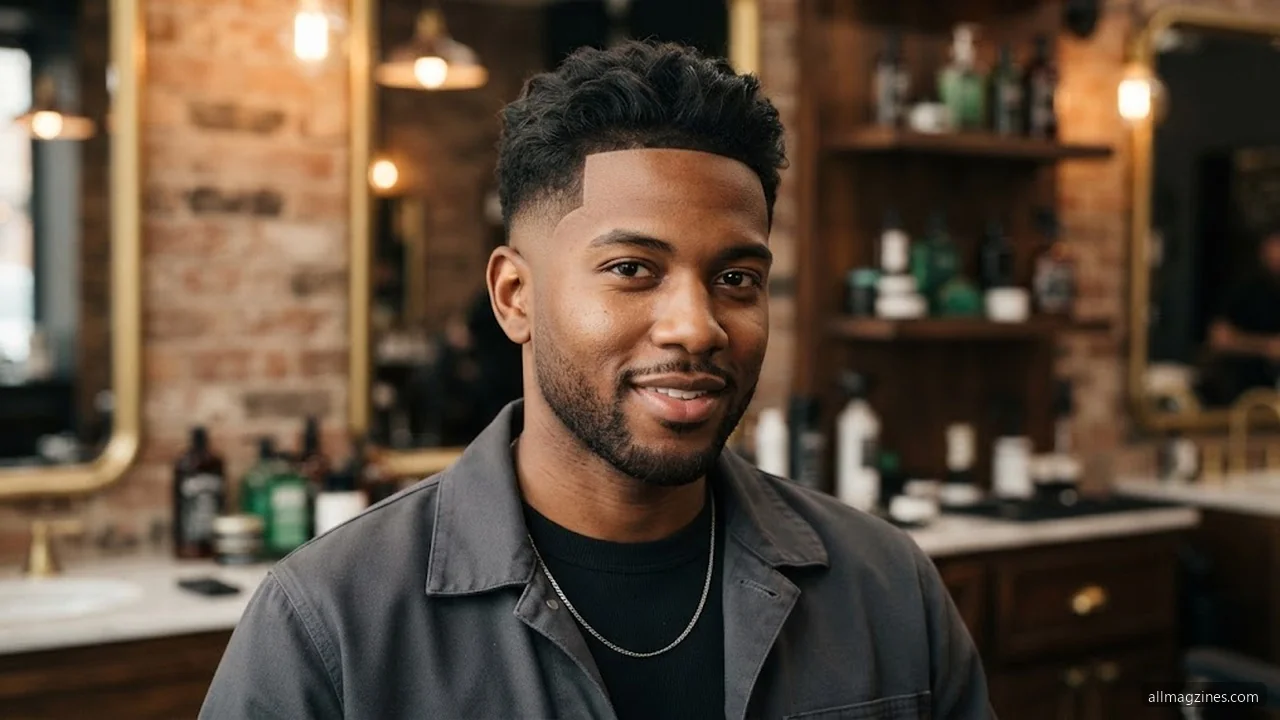
A traditional taper gradually blends the hair only at the sideburns and neckline. The barber starts with a #1 guard or open clipper blade at the baseline. They
Low Fade Profile
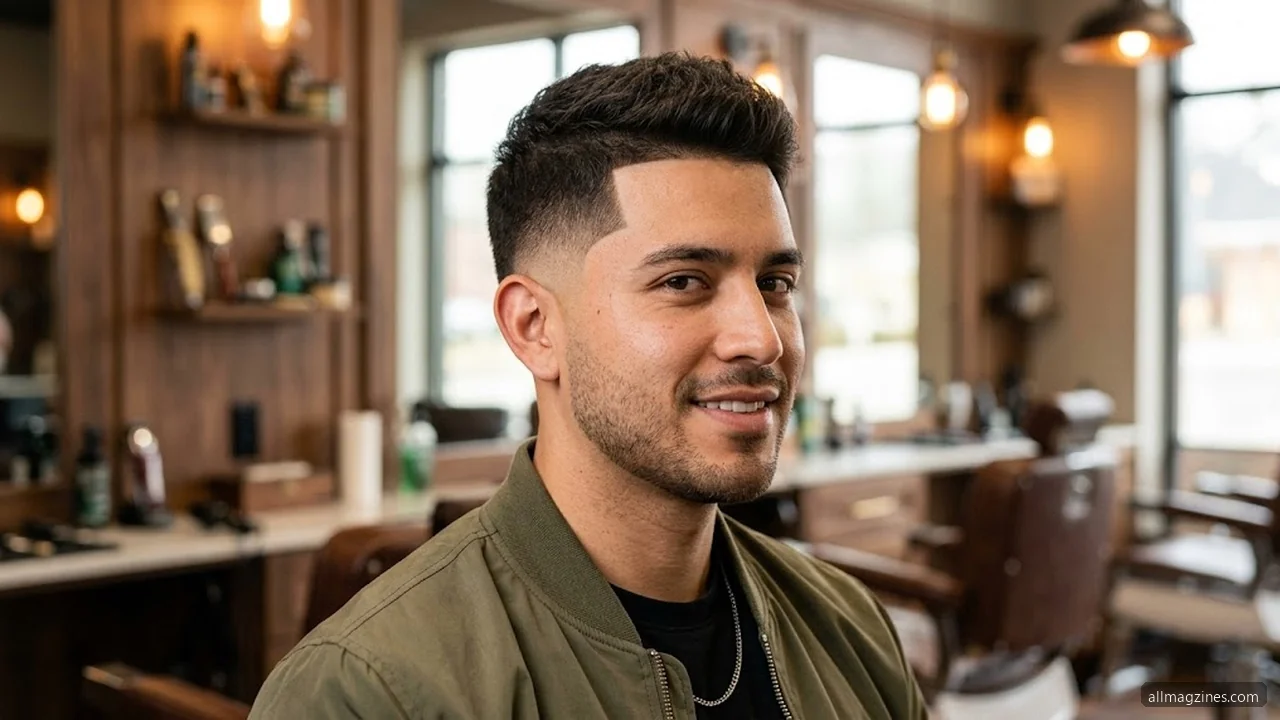
A traditional low fade drops evenly around the perimeter rather than arcing tight around the ear. The barber starts down at bare skin using a foil shaver or closed #0 lever. From
Burst Fade Mechanics
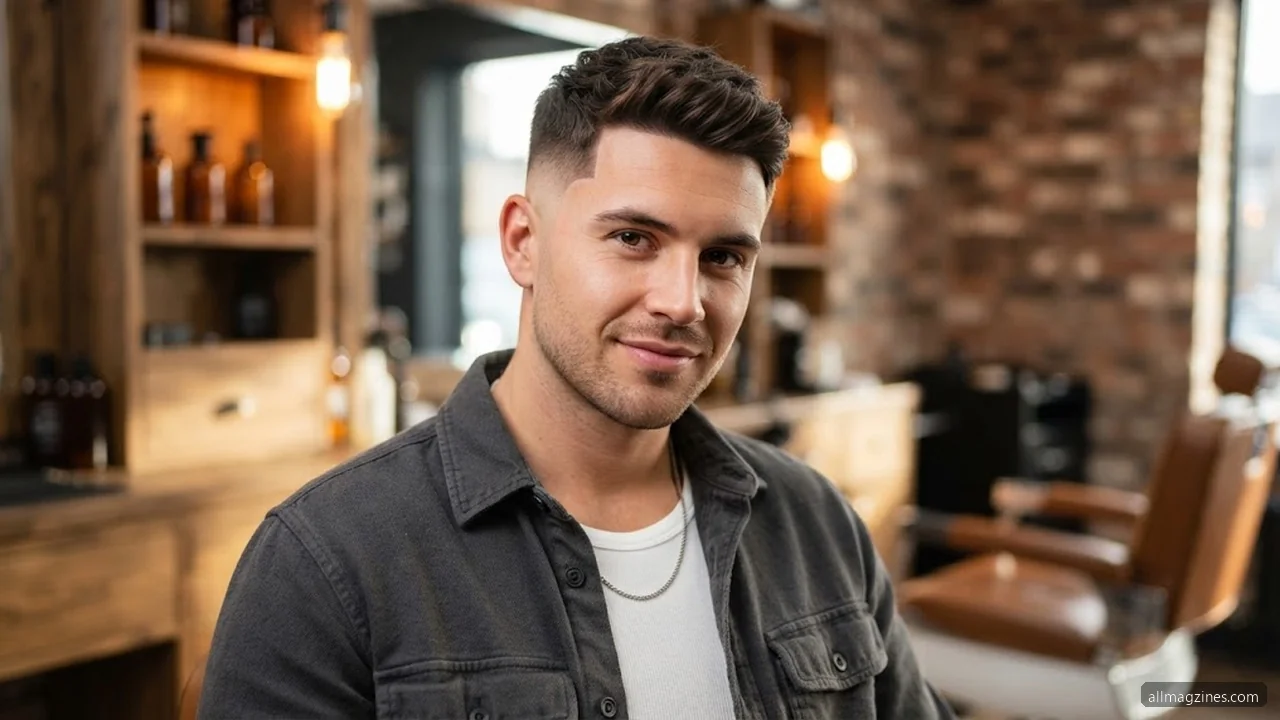
The burst taper fade haircut creates a round, sunburst blend directly around the ears. Barbers begin by establishing a curved baseline using a bare #0 blade or trimmer. This tight arc
Low Burst Taper vs Mid and High Burst Fades
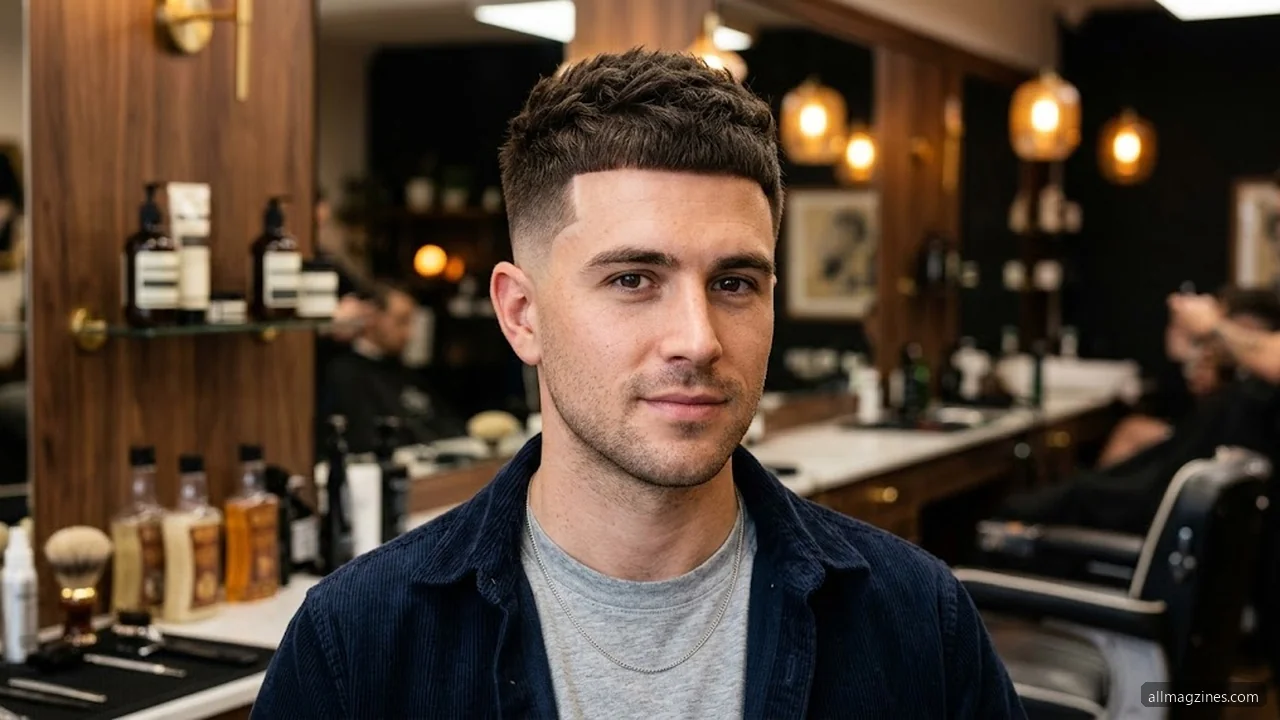
The low burst taper keeps skin graduation tightly condensed around the ear curve. Your barber builds the blend within one to two inches of the hairline. This placement preserves hair bulk through the crown and lower neckline. Because the transition stays low, your head shape retains solid weight lines, which flatters oblong and oval face shapes. See Encyclopaedia Britannica grooming history for more.
Low Drop Fade vs. Low Burst Taper: Key Contrasts
The classic low drop fade lowers the blend line as it moves backward. Your barber starts with a #0 skin baseline near the temples. The cut curves downward behind the ear and wraps around the entire occipital bone. This technique removes weight across the entire nape area. It leaves a clean, bare perimeter that frames square jawlines effectively.
A low burst taper restricts the clipper arc to a tight circle around the ear. Your barber blends from bare skin up to a #2 guard within two inches. The blend never crosses the back of the neck. Instead, it preserves bulk through the lower occipital region. This retained hair builds weight and supports natural textures like coils or curls.
| Design Feature | Low Drop Fade | Low Burst Taper |
|---|---|---|
| Clipper Arc Path | Dips below occipital bone across the entire back | Forms a tight sunburst radius around the ear |
| Nape Hair Density | Clean skin taper or full shaved neckline | Full bulk and density preserved across the neckline |
| Guard Transition | #0 to #3 guard blending across the whole head | #0 to #2 guard blend confined strictly around the ears |
| Best Face Shape | Round, square, and shorter facial structures | Long, oval, and angular facial profiles |
Choosing between these cuts depends on how you want to manage back weight. The drop fade eliminates bulk to keep your neck cool and sharp. In contrast, the burst taper protects hair mass for mullets, mohawks, or textured crops. Oval
The South of France Cut: Heritage of the Burst Taper
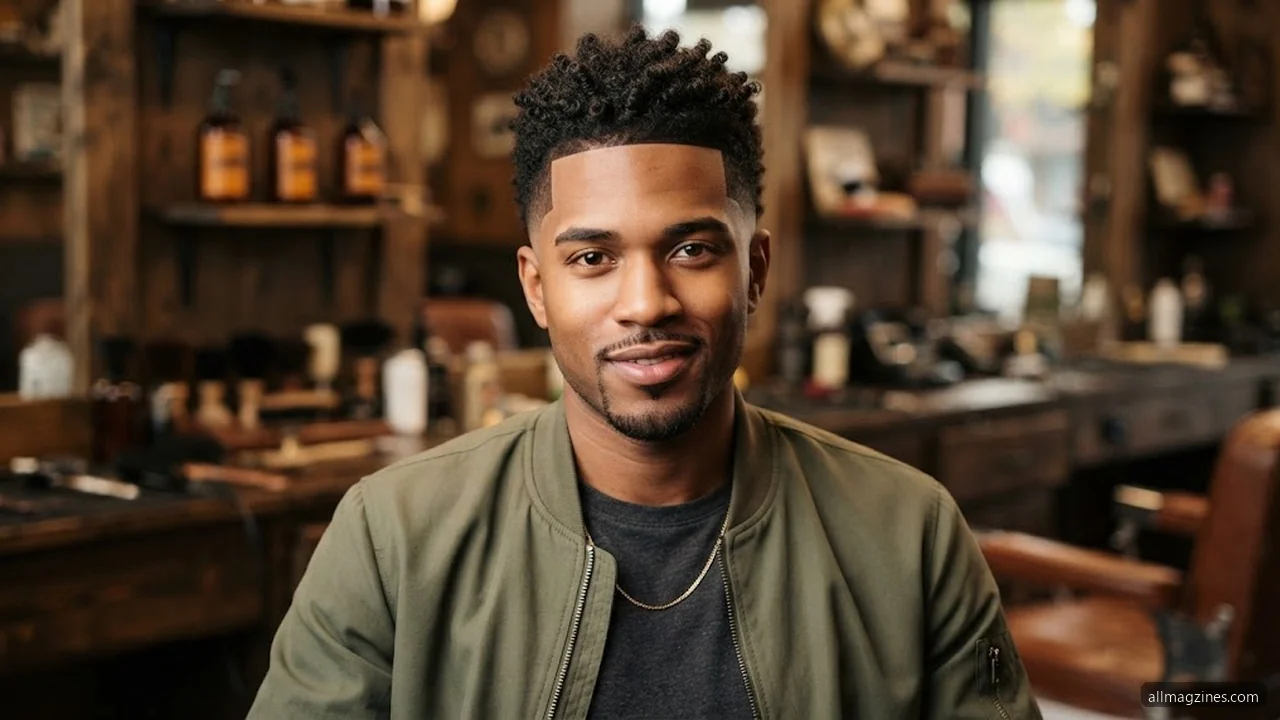
Celebrity master barber Curtis Smith created the famous South of France haircut for singer Usher in the late 2000s. He designed an upscale twist on the standard mohawk. Smith carved a semicircular taper curve around the ear using a #1 guard. This neat cut preserved two full inches of dense curls across the crown
Who a Taper Low Burst Fade Suits
Choosing this balanced perimeter taper depends on skull structure, daily styling habits, and natural hair density. The arched clearance around the ears creates flattering contrast without exposing excess scalp along the sides. Men with coarse or fine growth gain sharp control while keeping necessary fullness through the crown. It provides a tailored outline that effortlessly adapts to diverse bone structures.
Face Shape Compatibility
Matching this curved ear taper to your facial structure creates clean balance. The arching transition naturally accentuates cheekbones while leaving ample weight at the parietal ridge. Barbers adjust upper
Hair Texture Alignment
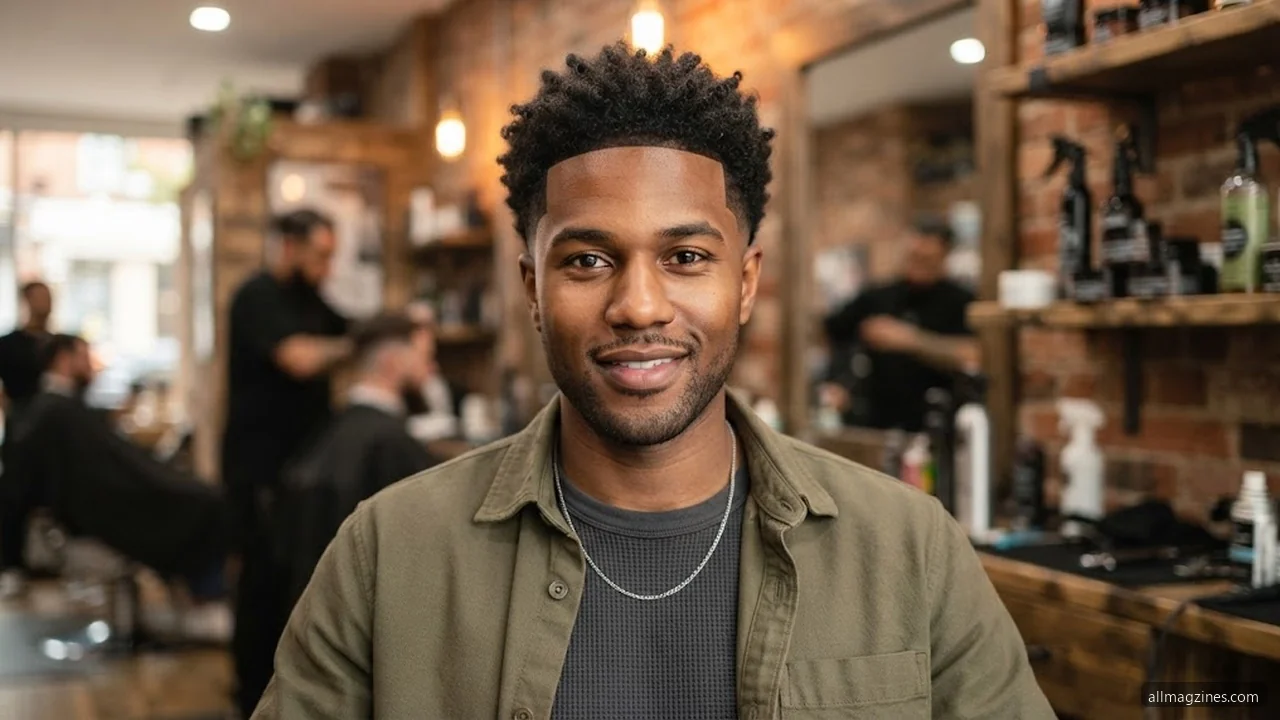
Every hair texture interacts differently with the curved perimeter of this haircut. The density and natural growth direction dictate how cleanly the fade transitions above the ears. Coarser coils pop immediately
Hair Density and Receding Hairline Considerations
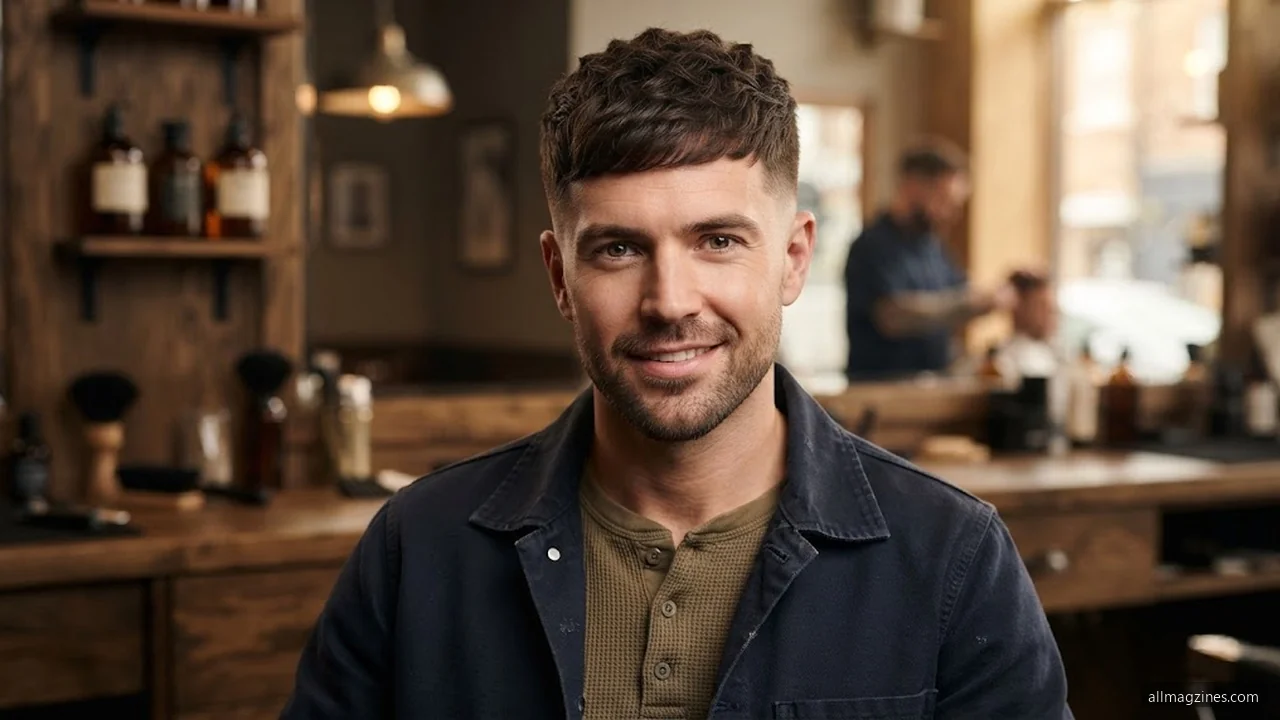
Receding temples require smart bulk placement to avoid highlighting thin growth. Keep the burst radius under one inch around the ear curve. Tell your barber to preserve hair density near the front corners using a #3 guard. Leave two inches of length on top. This strategic balance hides recession gaps and maintains a strong, youthful profile along the fringe.
Fine strands around a thinning crown need a gentle blend to look thick. Never push the bald line above the ear line. Blend upward quickly from a #0 to a #2 guard. This tight perimeter transition prevents bare scalp exposure. Apply a matte styling clay across damp roots to build natural separation without clumping weak patches together.
Navigating Cowlicks and Occipital Bone Protrusions
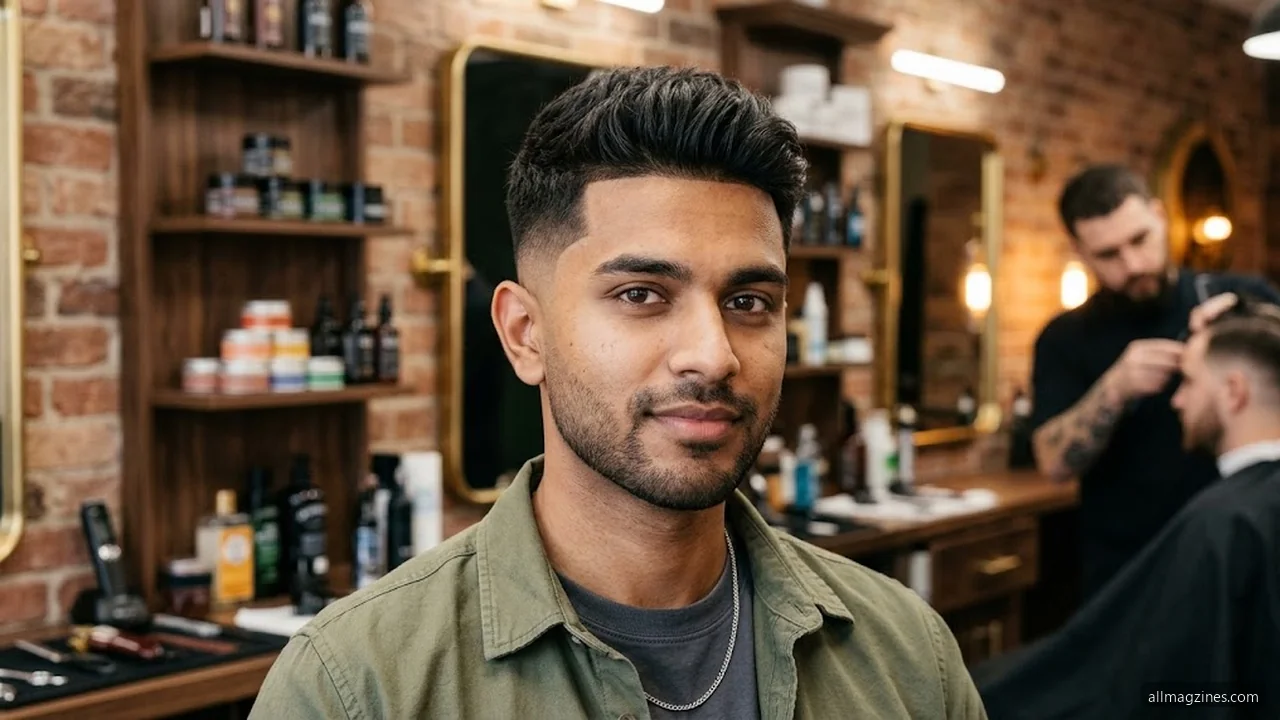
Every head shape features irregular bone contours that rapidly shift surface hair density. A sharp occipital ridge or uneven mastoid bone creates deceptive, dark visual shadows. Pushing a bald guide directly across an occipital bump exposes pale, awkward scalp hollows. Drop your curved baseline lower, blending upward with a
Best Taper Low Burst Fade Styles to Ask For
Choosing the right haircut variation depends heavily on your natural hair growth and daily styling habits. Barbers can adapt the curved taper around your ear to match several lengths and crown densities.
Low Burst Taper Mullet
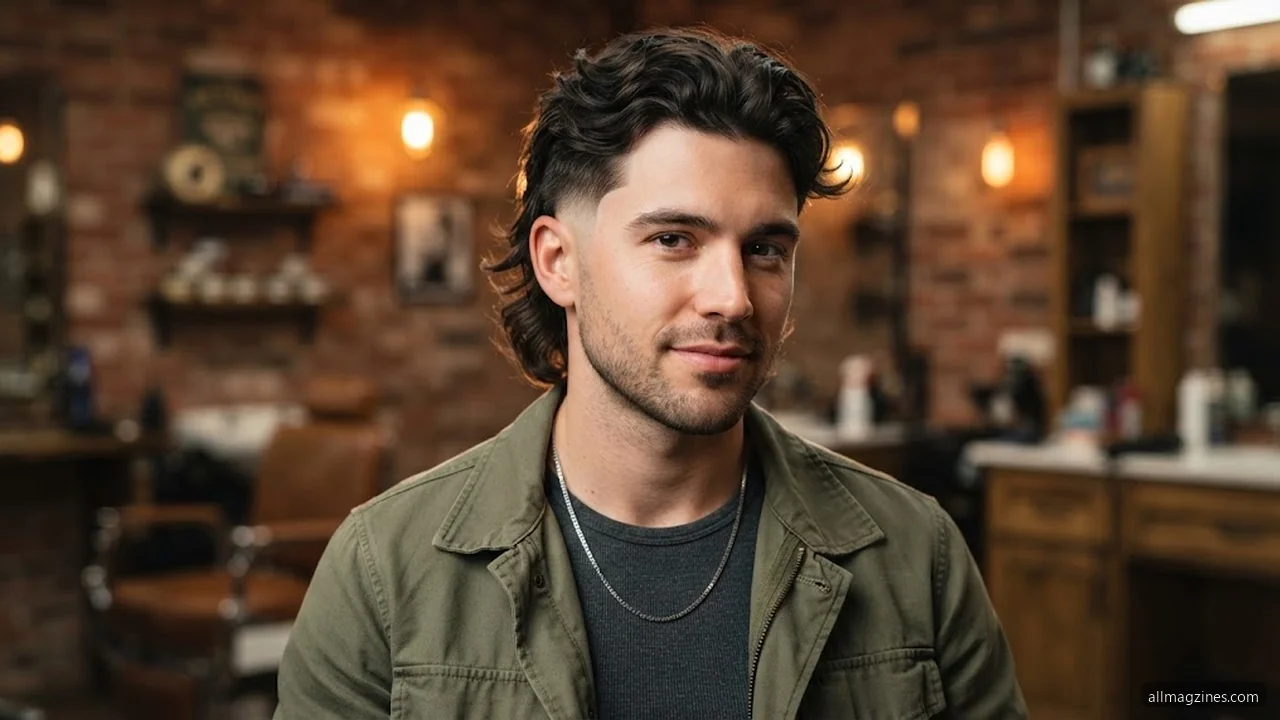
The modern burst fade mullet taper blends aggressive edge work with flowing nape length. This cut keeps heavy hair down the neck while clearing out space around both ears. Oval and diamond
Curly Top Low Burst Taper Fade
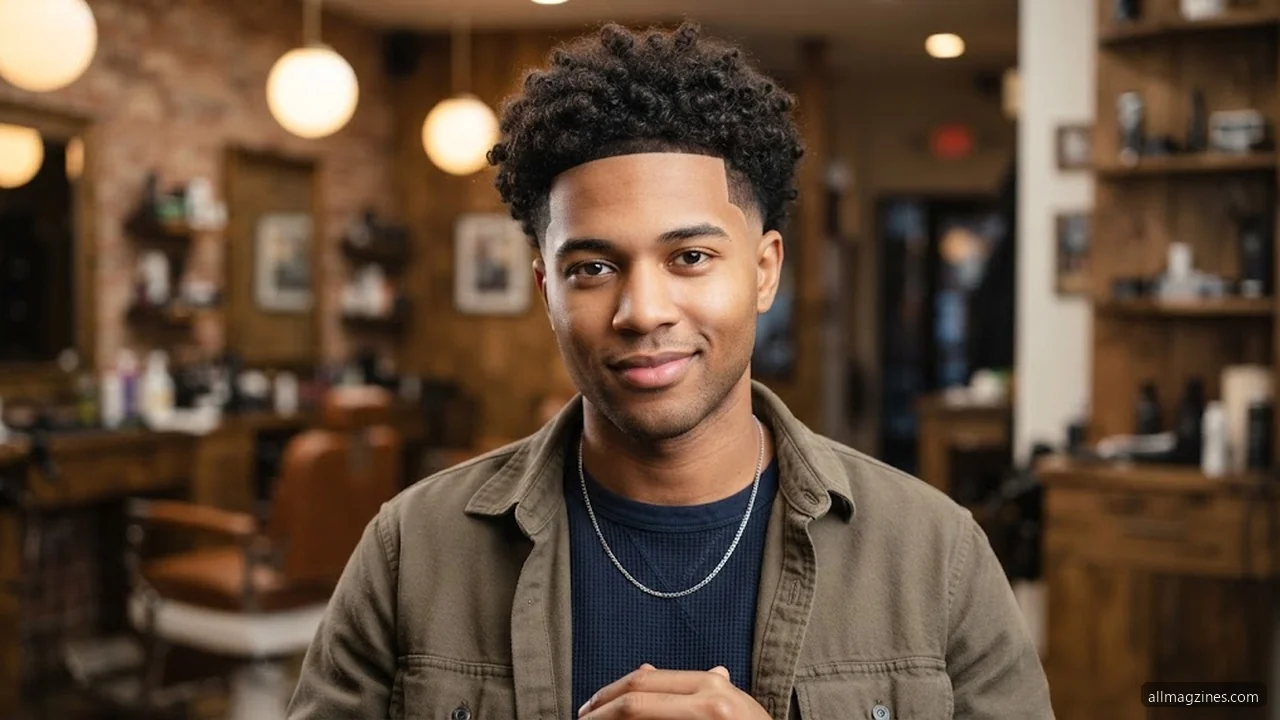
Type 3 and Type 4 coiled hair pairs exceptionally well with curved ear tapers. Coils create intense natural volume across the top crown. Car
Blunt (29) frontal (30) fringe (31) sits (32) flat (33) against (34) the (35) forehead. (36) balancing (37) longer (38) face (39) profiles (40) effectively. (41) Men (42) with (43) round
Coily Sponge Twist Low Burst Taper
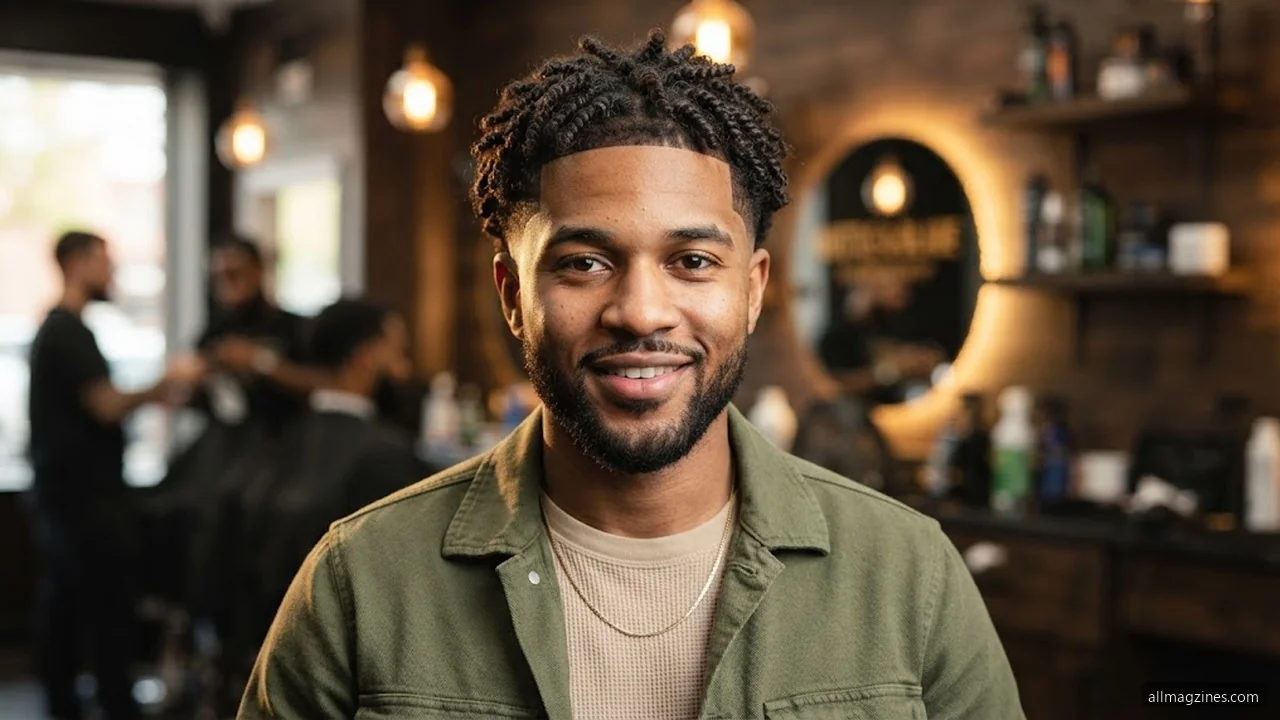
This cut pairs tight coil definition on top with a clean semi-circular skin taper around the ears. Barbers leave two to three inches of natural 4
Straight Hair Slicked Low Burst Taper Fade
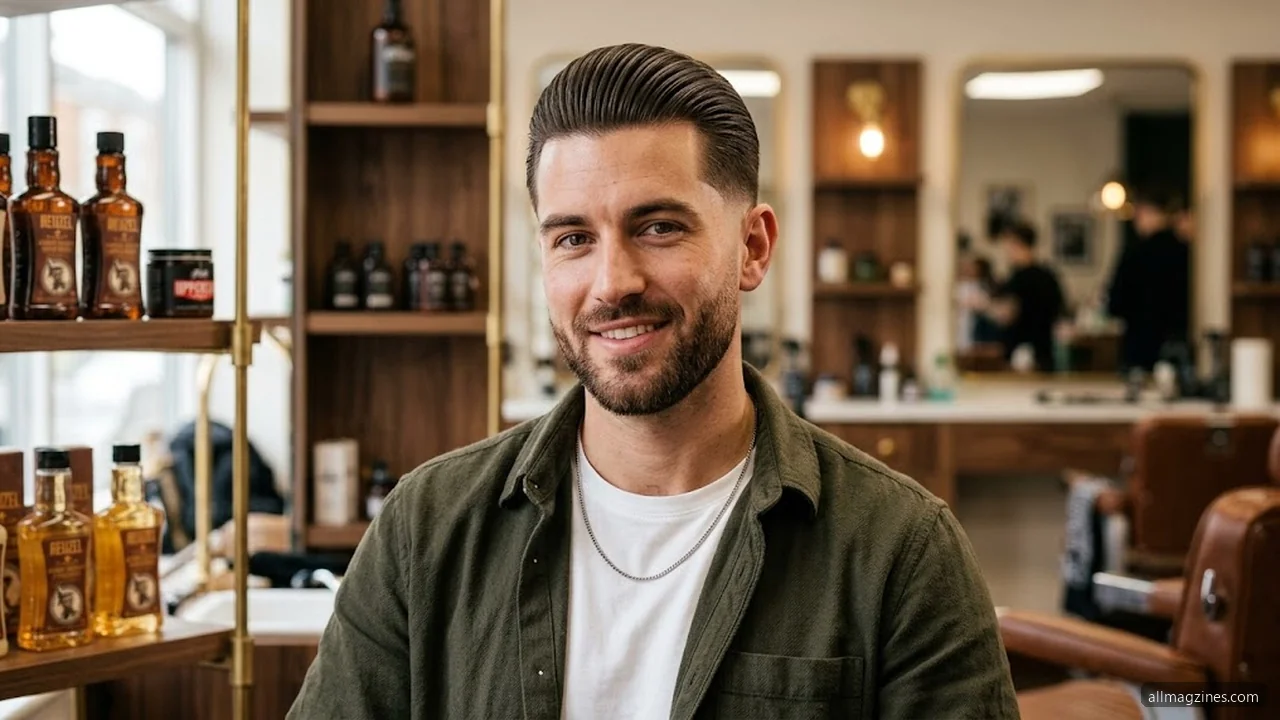
Executing a clean burst taper fade straight hair profile requires strict discipline over clipper angles. Straight strands easily show harsh blend lines without careful fading.
Textured Crop and Fringe Low Burst Taper
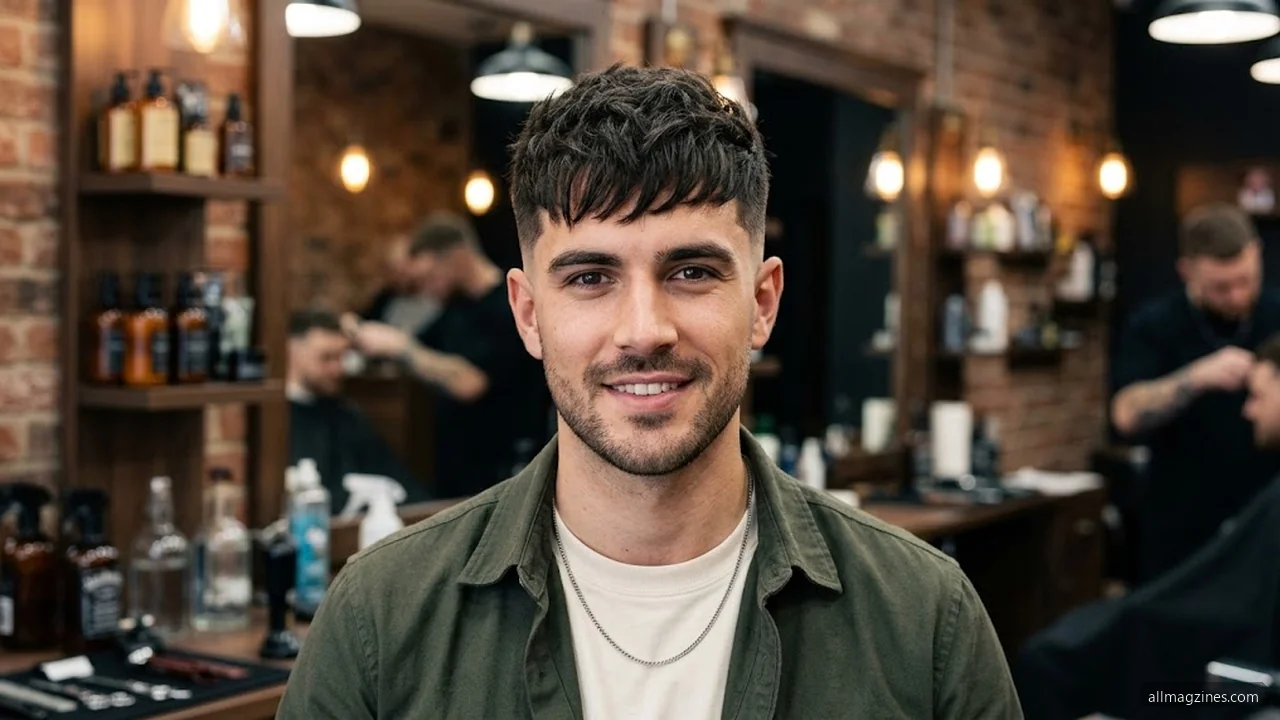
A textured crop pairs cleanly with a low burst taper around the ears. Keep the top chopped between two and three inches using aggressive point cutting shears. Your barber carves the curve with a #0 guard right at the skin line. They quickly blend upward into a #2 guard to preserve bulk around the back crown.
Middle Part Curtain Flow with Low Burst Taper
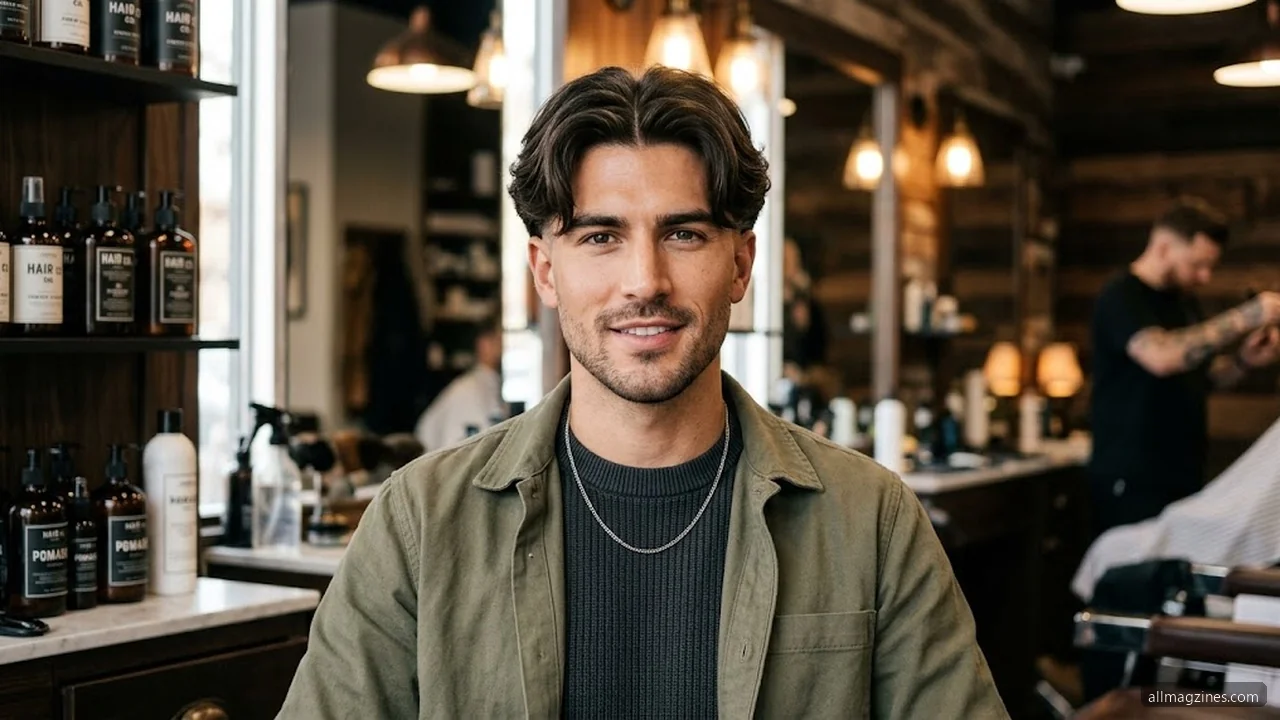
Medium-length curtain styles need balance so the sides do not bulge outward over the ears. Ask your barber for five to seven inches of length on top with a crisp center part. The barber carves a tight curved taper using a #1 guard down to bare skin. This curved line removes bulky side weight while keeping flow.
The tight skin clearance behind the ears stops hair from mushrooming at your cheekbones. Long fringe strands fall naturally past the temples without bunching up against thick sideburns. This contrast suits oval and heart face shapes by sharpening the lower jawline. Work lightweight sea salt spray into damp roots to hold the e-boy split all day.
How to Ask Your Barber for a Taper Low Burst Fade
Clear communication with your barber prevents mistakes in the chair and guarantees a clean result. Bring two sharp reference photos that display both the ear curve and neckline clearly. You should also describe your preferred guard numbers and top length directly before cutting begins. Giving precise details upfront ensures your stylist shapes the perimeter to match your routine.
A Barber Script That Works
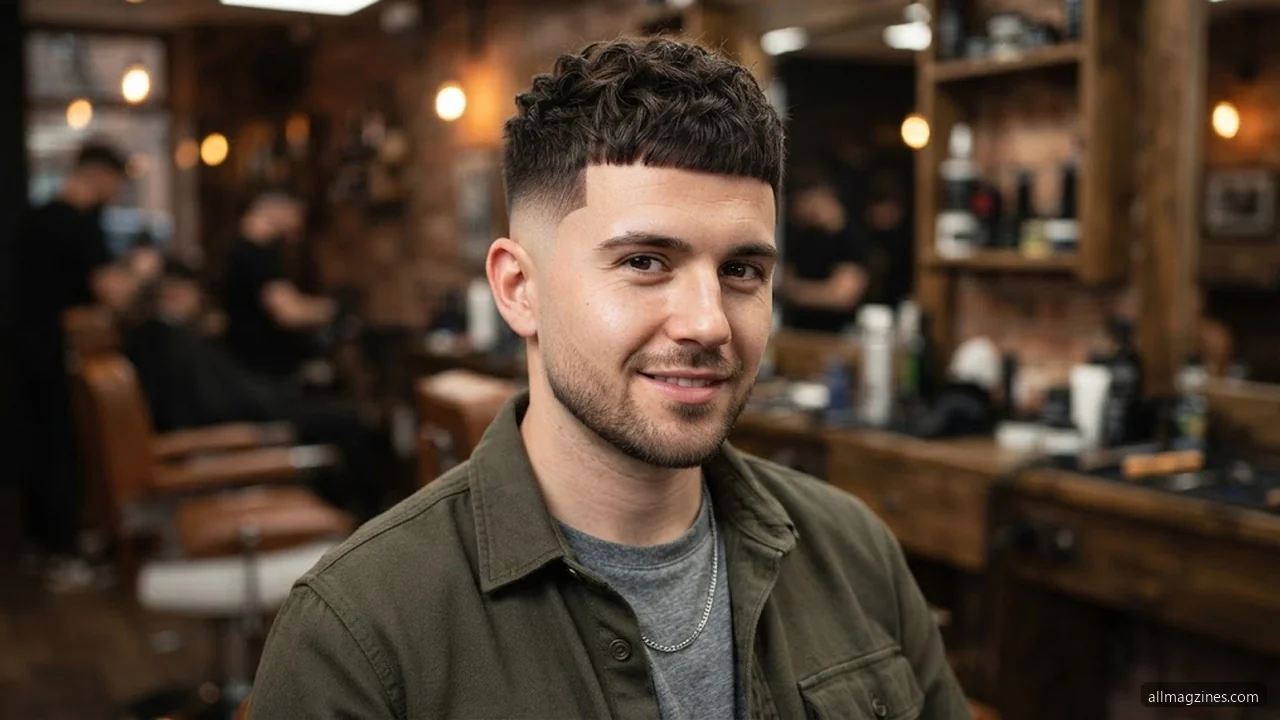
Ask your barber for a tight burst taper that curves around your ears. Request a closed number zero or foil shaver at the skin line. Specify a number one guard blended up to a number two near the parietal ridge. Tell them to keep the neckline thick, leave three inches up top, and taper the sideburns cleanly.
Reference Photos and Angles to Show
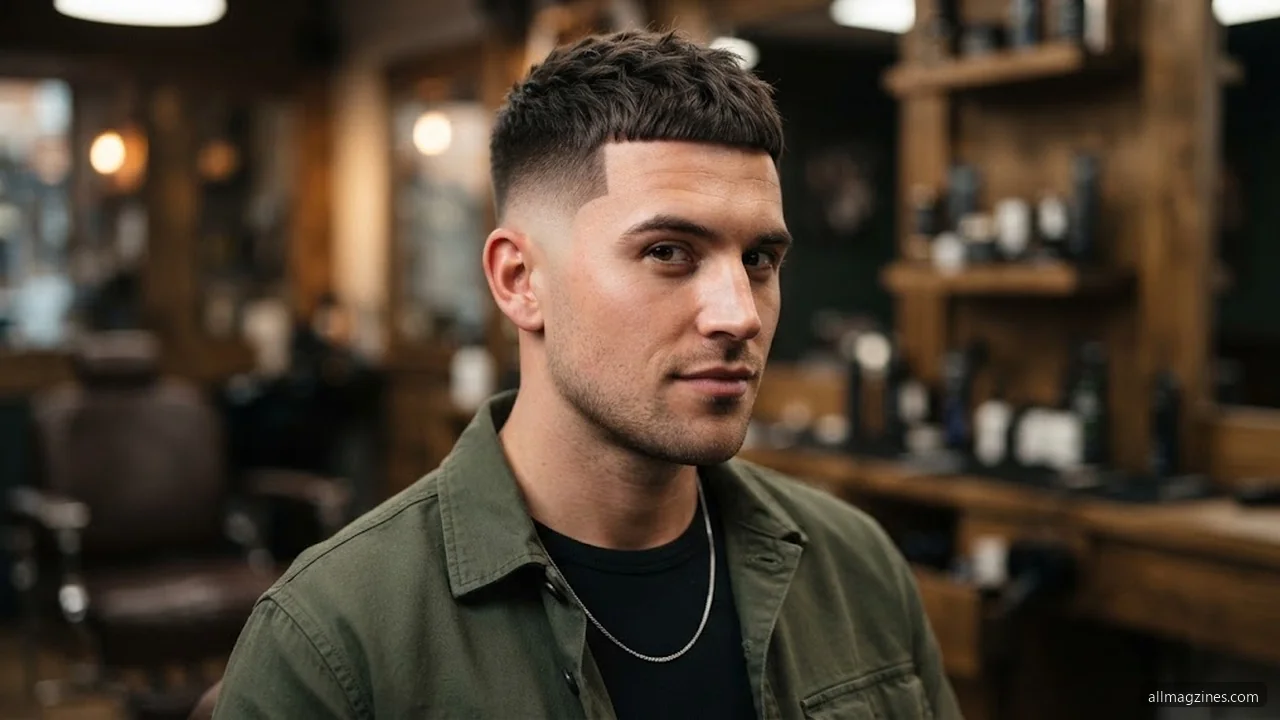
Bring at least three clear pictures that highlight the cut from different perspectives. Your primary photo must capture a crisp three-quarter profile. This angle displays how the curve wraps behind your ear toward the nape. It shows your barber the exact arc height without flattening the crown. Point out where the blend starts on the temple points.
Include a clear rear snapshot to demonstrate the burst fade neckline cleanup. Barbers need to see whether you prefer a tapered point or a soft, squared edge. Select photos featuring your specific hair density and curl pattern. Showing straight hair when you have tight coils creates confusion. Good pictures clarify the exact bulk you want left along the occipital ridge.
Specifying the Ear Arch and C-Cup Curvature
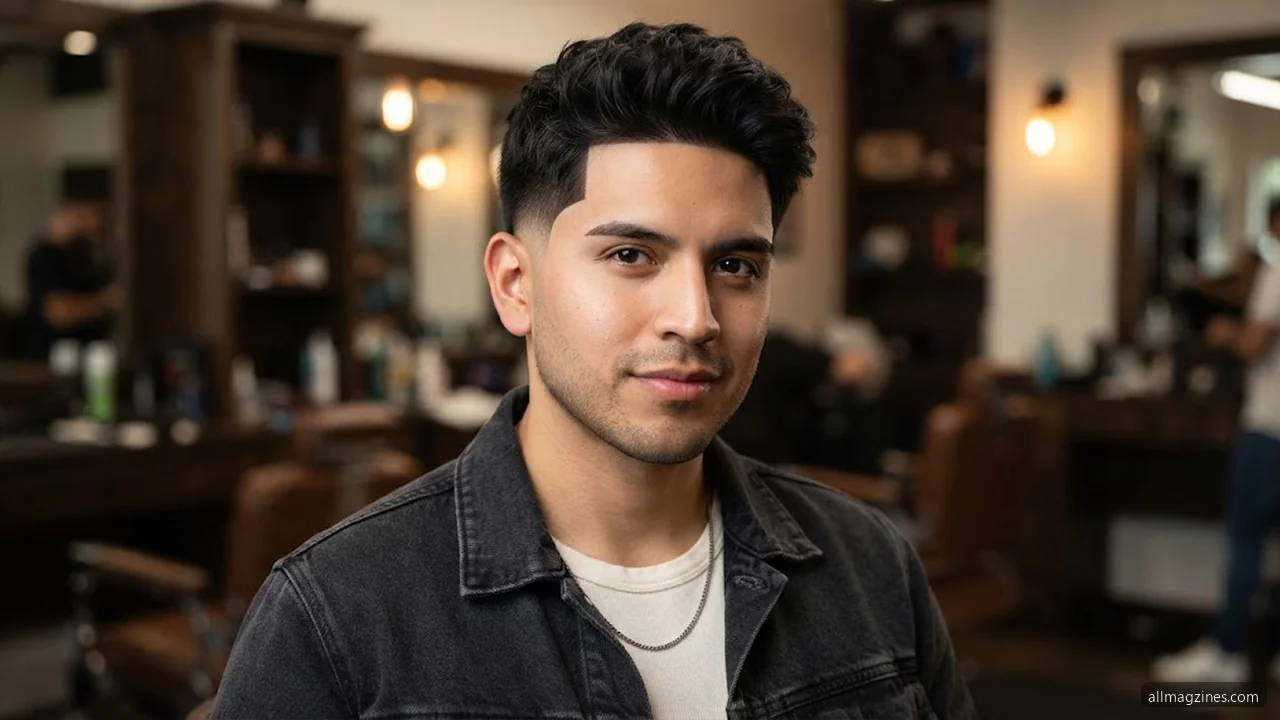
Tell your barber how close the trimmer should carve around your ear cartilage. Ask for a high clearance arch if you wear glasses or want a bold separation. Request a tight, natural contour if you prefer a subtle border following the ear rim. Your stylist uses a zero-gapped detailer to etch this curve cleanly against the skin.
Next, clearly specify your desired temple shape before the clippers touch your sideburns. Request a sharp, carved C-cup hook if you prefer a crisp lineup with visible geometry. Choose a soft, faded temple if you want a subtle flow with your side taper. The barber finishes this perimeter using a foil shaver to keep the skin fresh.
Blending the Low Burst Taper into Facial Hair
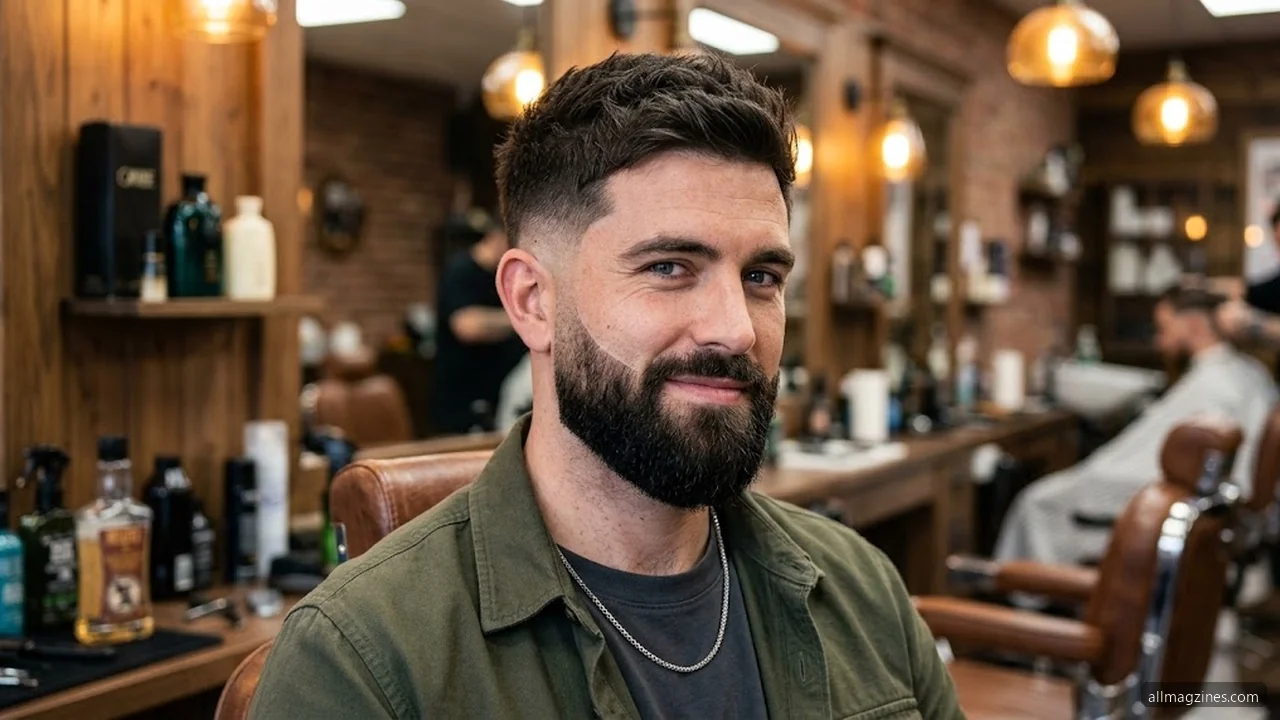
Ask your barber for an inverted fade if you rock heavy stubble. The clipper starts at skin level near the ear tragus. Then, the barber flips the clipper downward toward the jawline. A #0 guard expands into a #1 guard on the upper cheek. This motion forms an easy, soft blend that flatters oval and square faces.
Choose a sharp detached disconnect if you wear a thick, long beard. Your barber sets a bare blade line at the top sideburn zone. The hair drops to bald skin right before the facial hair starts. A crisp trimmer line creates strong separation between the temple and beard cheek line. This distinct break adds clean structure for men with rounder profiles.
Request a continuous gradation to link a full beard smoothly to your temples. The barber works down from a bald skin line behind the ear. They flick a #0.5 guard outward, stepping smoothly into a #2 guard lower down. Hair density gradually builds into the jawline bulk without any hard stopping point. This balanced sweep slims the jaw on wider diamond face shapes.
Keeping a Taper Low Burst Fade Sharp
A precise low burst taper fade needs consistent care to preserve its neat curvature around your ears. Hair grows quickly along the neckline and sideburns, which can easily soften those crisp skin-blended edges. Adopting a steady low burst fade maintenance routine guarantees your cut stays fresh between barber visits. Proper daily habits and timely touch-ups make all the difference for your everyday appearance.
Barber Touch-Up Timeline
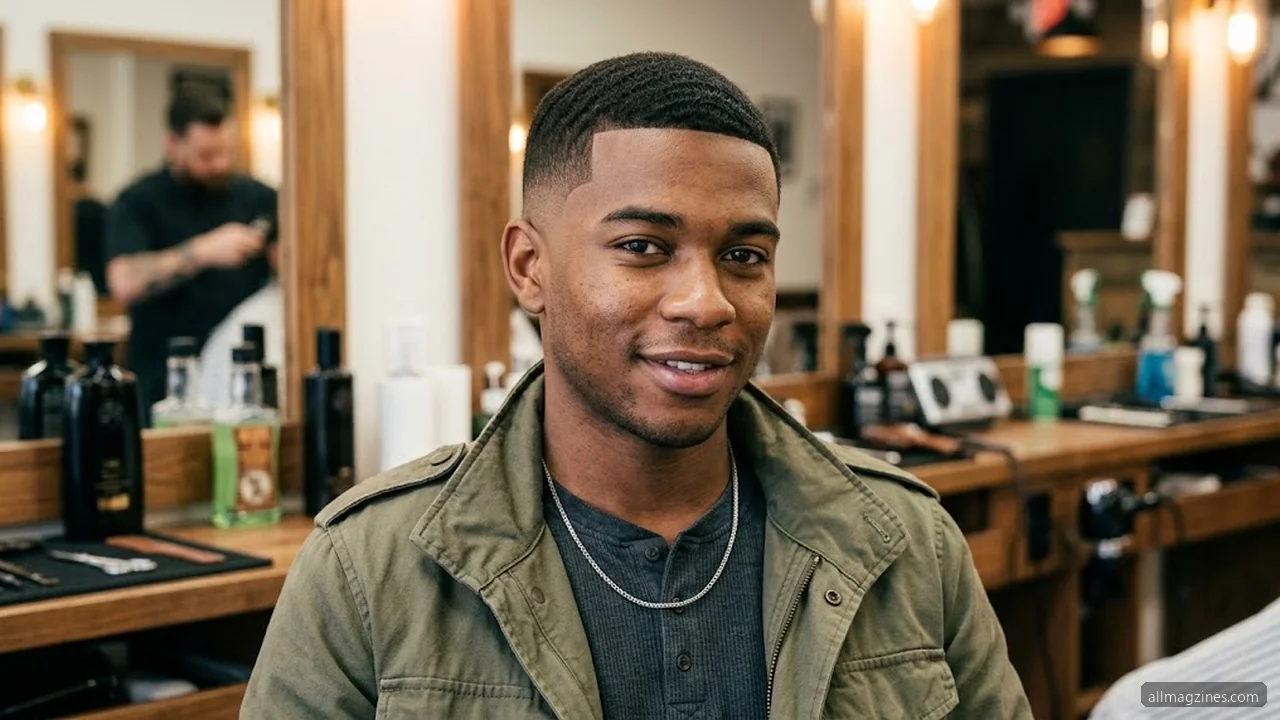
Maintaining a crisp curve requires consistent barber visits based on personal hair growth rates. Most men need a quick touch-up visit every ten to fourteen days. During this service,
Neckline and Temple Cleanup Routine
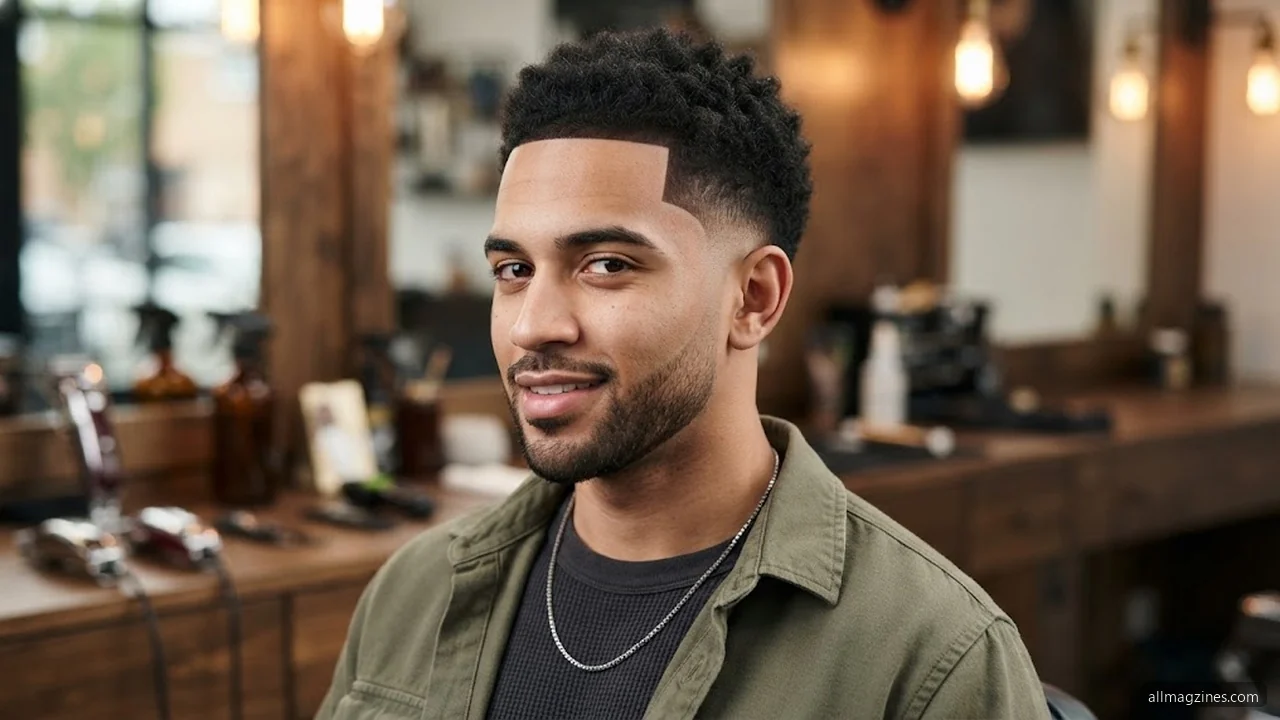
Maintain your perimeter lines between barber visits using zero-gap detail trimmers. Set a two-way mirror to trace the curved hairline behind your ears. Glide the open blade along sideburn edges without digging into the gradient. Clearing stray neck hairs preserves the curved burst silhouette cleanly. This step keeps the perimeter crisp without altering your core taper.
For the lower nape, use a foil shaver strictly below your natural baseline. Never push your hairline upward or carve into the curved perimeter gradient. Apply soothing tea tree oil or witch hazel after trimming to prevent razor bumps. A gentle touch stops skin irritation while protecting the natural bulk of your neckline. This quick routine keeps your taper looking fresh every single morning.
Preventing Razor Burn and Folliculitis Around the Ears
aloe vera gel to maintain clear, soft skin.” (13 words)
- “Light moisture prevents ingrown hairs as the cropped stubble grows back past the skin. Surface.” (15 words) Total count: 14 + 14 + 13 + 15 = 56 words. Fits 55-65
Critical Barber Mistakes That Ruin the Cut
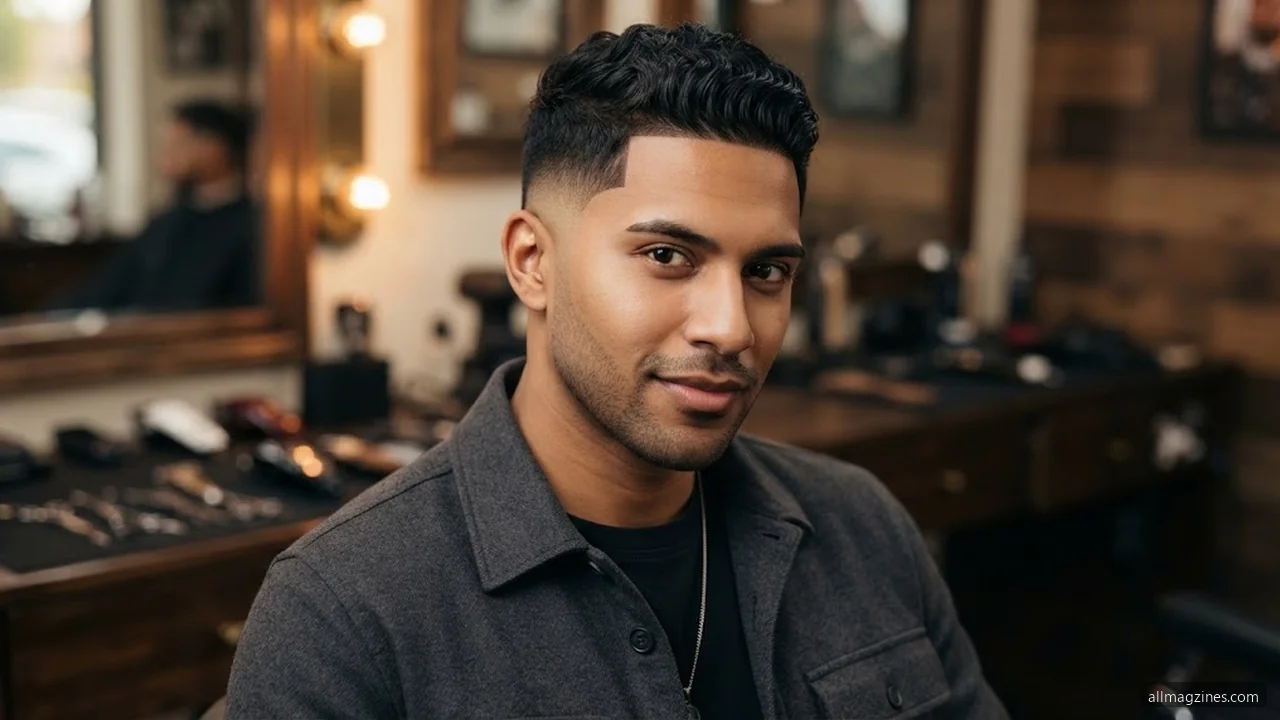
Executing this technical cut requires disciplined clipper control and clear boundary awareness. Many barbers misjudge the natural ear curvature or take the baseline too high. Even small errors with guard levers can ruin the entire
Incorporating Razor Lines, Slashes, and Hair Art
Carving custom hair art behind the ear demands extreme control and spatial balance. A sharp straight razor creates clean dual slash accents along the natural mastoid bone. Skilled barbers carve these lines through a dark #1 guard base instead of bald skin. This dark contrast makes the slashes pop while protecting the gentle slope of your low taper.
Subtle geometric designs must always follow the natural skull curve to prevent visual clutter. Angling hard parts slightly backward creates a smooth directional flow toward the lower nape. You should avoid cutting slash lines deeper than two inches across the dense parietal ridge. Keeping lines slim ensures the crisp faded gradient stays the primary star of your haircut.
Begin the accent design by etching light guidelines using an
Choosing the Right Neckline Design to Complement the Burst
Considering how different nape designs integrate with the circular burst near the ear. Examining whether a blown-out taper complements the burst, or if a clean block is preferable for visual balance. The rounded curve might create a smoother transition, while a V-cut offers a contrasting element. Each option’s impact on the side and rear profile is under review.
Considering nape integration, balance, and flow.
Now, analyzing how neckline shapes complete the curved element around the ear. The goal is to select shapes that maintain a visually appealing balance. This first phase of analysis focuses on how various necklines might emphasize or soften the burst. Examining each in the context of different face shapes to determine the best match. This visual harmony is critical to the overall appearance.
A blown-out natural taper will be examined in detail, specifically using #0 to #2 guard settings for blending. The rear balance requires careful evaluation to prevent an uneven appearance. Observing how the taper integrates into the burst, noting whether it creates a gentle flow. Or potentially introduces unwanted contrast is part of the objective. The intention is to create a gradual change.
Clean square block necklines will be compared against soft rounded curves. This direct comparison aims at establishing the visual weight and textural contrast of these neckline types. The assessment includes the way light plays across each shape. Additionally, considerations include how each option works for different head shapes, focusing on achieving a pleasing visual effect.
The dynamics of a tapered V-cut will be considered, assessing its impact on the profile’s overall flow. A V-cut offers a contrasting point that can add sharpness. Determining whether a V-cut complements or clashes with the burst near the ear is part of the investigation. The goal is a visually coherent design, that enhances the subject’s overall aesthetic and form.
| Neckline Style | Guard Settings | Face Shape Pairing |
|---|---|---|
| Blown-out Taper | #0 – #2 | Round, Oval |
| Square Block | N/A | Square, Oblong |
| Rounded Curve | N/A | Heart, Diamond |
| Tapered V-Cut | N/A | All, if executed properly |
Finally, ensuring smooth transitions and clean edges will be implemented. The correct execution is what will provide a polished final result. Precise blending with clippers, followed by careful detailing is part of the finishing advice. Inspecting the final cut from multiple angles will be key to detecting and correcting any imperfections. To ensure the outcome meets expectations.
The neckline defines the haircut’s shape. Framing the skull’s back and integrating with the ear’s curve to balance the head’s form. Matching the rear edge to neck width and jawline ensures a clean appearance.
A blown-out taper offers a seamless everyday look, fading the base to skin with a low-guard lever. This gradual fade employs higher guards across the occipital bone to maintain central weight and a harmonious side profile.
Blocked and rounded necklines establish distinct lower hairline borders. A square block emphasizes narrow necks with sharp lines. A rounded curve softens corners, complementing broader neck muscles. Each style creates a sharp rear contrast to the circular taper.
Analyzing how neckline styles complete the tapered shape, noting that blocked and rounded necklines define the lower hairline. A square, clean neckline widens narrow neck appearances using precise outliner blades. Conversely, rounded curves soften corners to complement broader necks. Both styles present a strong contrast from the back.
Considering that abrupt, crisp styles can create a high contrast when viewed from the rear, particularly near the ear’s fade. This pronounced difference is an essential visual element.
Styling the Low Burst Taper at Home
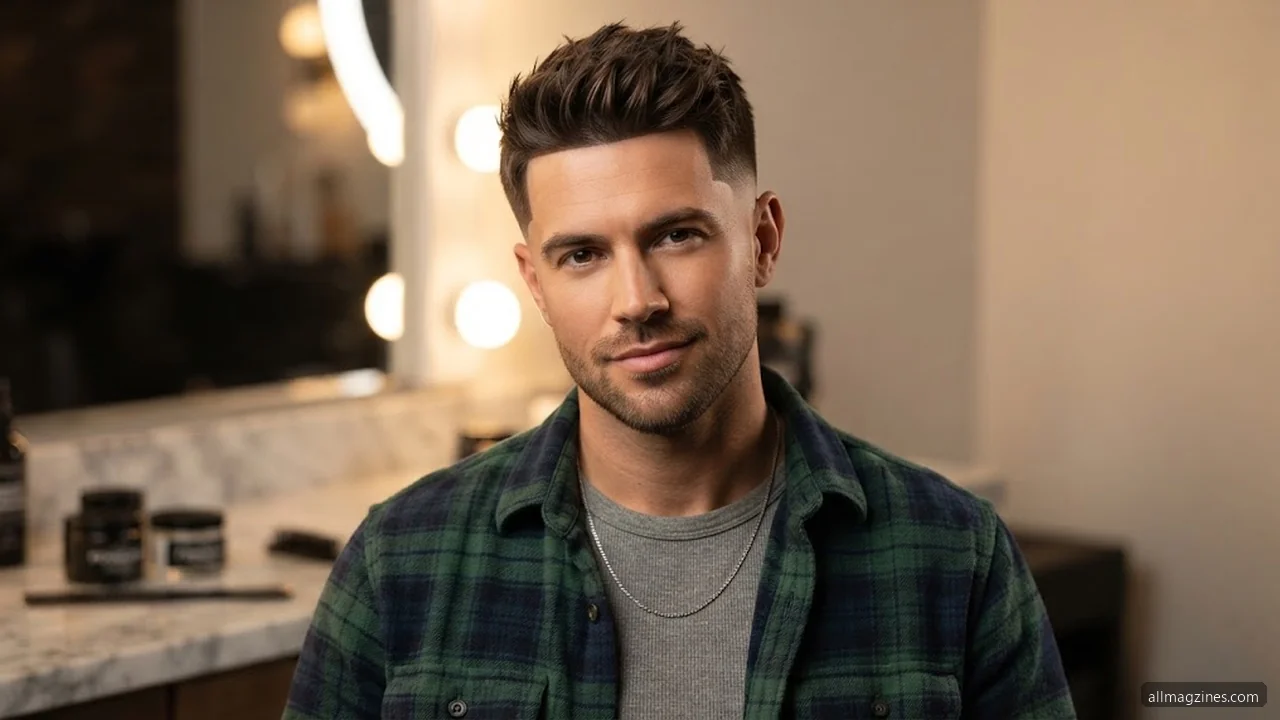
Start with damp hair right after washing for optimal control. Towel dry gently so you do not damage the cuticle layers. Next, point your blow dryer downward with a directional concentrator nozzle
leaves the back hair intact, flowing neatly into the neckline without thinning the crown. (30) Meanwhile, a blowout drops the nape fade down to bald skin using a #000 trimmer. (46) This makes the blowout feel lighter, though it requires faster touch-ups every two weeks. (60) Let’s re-verify count:
Blow-Drying Techniques to Maximize Volume and Shape
Prep damp strands with two pumps of sea salt spray for texture. Snap a flat concentrator nozzle onto your dryer barrel to control direct heat. Set the heat to medium and use high fan speed for maximum control. Keep the nozzle aimed downward along the hair shaft to prevent rough, frizzy cuticles during the process.
Work a vented skeleton brush through the three-inch top section to build base tension. Direct airflow upward from the crown toward the front hairline to create lasting root lift. Roll the bristles back while pushing the hair forward to lock natural volume into place. This steady upward tension expands strands without flattening your established silhouette across the crown.
Angle your nozzle away from the ears to shield the tight fade zones. Wild heat can easily disrupt the crisp lines of a fresh number one guard blend. Cup your free hand over the curved temporal perimeter to block stray gusts of air. Finish by blasting the cool shot button for ten seconds to freeze your finished shape.
Night Care Routines to Preserve the Fade and Shape

Nightly movement against rough cotton sheets creates friction that ruins your sharp low taper. Coarse bedding pulls aggressively at the short stubble resting along your curved ear perimeter. This abrasive rubbing destroys the clean transition of your #0 guard skin blend overnight. Tie a breathable satin durag over your brow to press those short hairs
Clippers, Guards, and Technical Tools Checklist
Achieving clean curved tapers requires precise professional cutting tools with zero-gap capabilities. Barbers rely on specialized rotary clippers to handle bulk reduction without bogging down on dense hair. Pairing
Step-by-Step Guard Progression for Blending the Burst
Start by carving the primary curved guideline around the ear using your trimmer. Keep this line one inch above the ear to protect your shape. Clear the hair below this line down to smooth skin with a foil shaver. This clean boundary establishes the bright contrast before you begin blending the burst curve upward into denser bulk
Is It Okay for School, Work, or Professional Settings?
Yes, this haircut fits professional environments because the blended radius stays low around the ears. Corporate dress codes often ban aggressive high skin fades, but this cut leaves substantial hair at the back. It looks sharp without being flashy or distracting in meetings. Keep the top styled neatly with a matte paste to ensure clean office presentation.
Strict schools and conservative workplaces may require small modifications before your barber starts clipping. Ask for a closed number one guard instead of taking the skin down completely bald. That slight adjustment keeps the neckline conservative while preserving the modern arch. Pairing the tidy edges with a subtle comb over guarantees a classic, polished finish everywhere.
How to Grow Out a Low Burst Taper Gracefully
Growing out curved perimeter lines creates unique bulk issues around the ears. Hair behind the ears grows faster than the bare skin zone. This contrast makes your sides look puffy after four weeks. To fix this stage, ask your barber to trim the bulk above the ear using a #3 guard. This keeps the shape tidy without resetting the fade.
Shifting your style toward a classic low taper creates a balanced neckline fast. Your barber will drop the curved arch and blend the sideburns straight down. They use a #2 guard at the temples to connect the short patches smoothly. This clean cut removes the burst pattern while preserving your top length of three inches or more.
An all-scissor trim offers another great exit route as your sides reach two inches. The barber switches away from clippers completely to blend the grow-out zone using shear-over-comb techniques. This removes heavy weight lines and softens the perimeter edges around your ears. The resulting classic contour hides former bare patches and gives hair a natural, flowing drape.
Key Takeaways for the Low Burst Taper
Selecting this custom cut requires balancing technical blade steps with your daily routine. The shape blends temple clearance with rear weight to flatter many head profiles. Review these vital points before sitting in the barber
Explore Related Taper Fade Haircut Guides
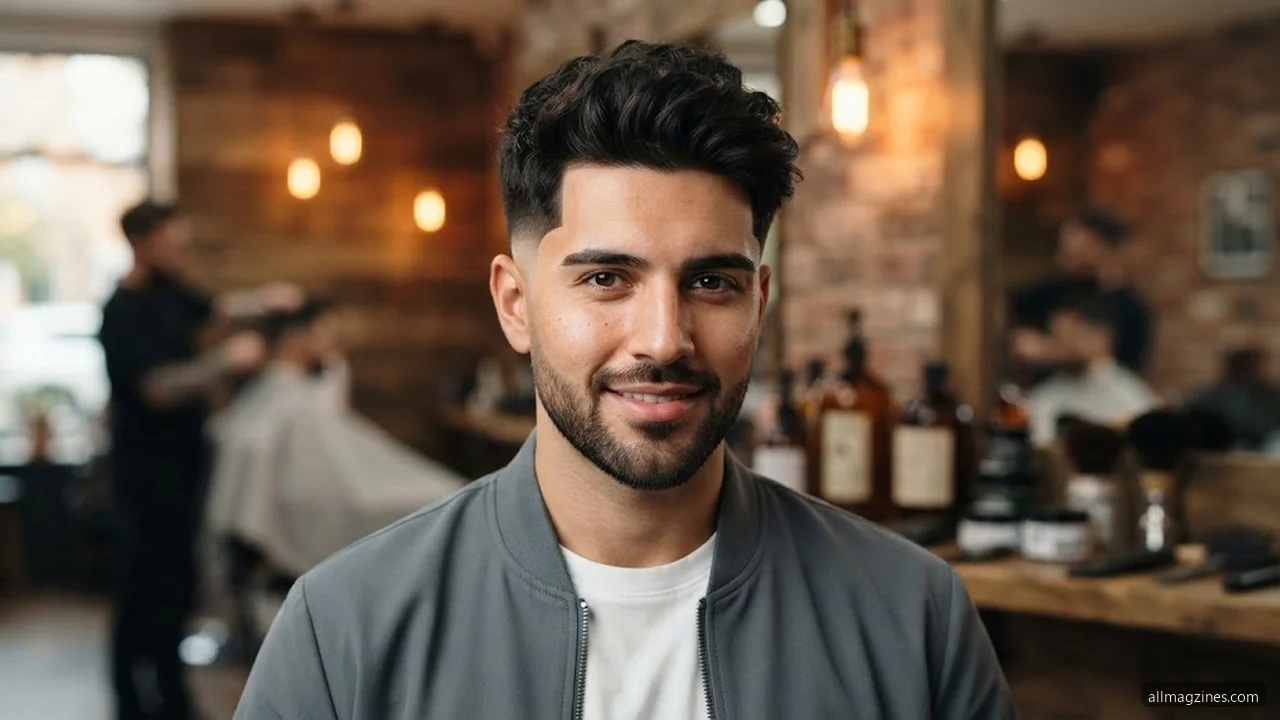
Expanding your barbering knowledge helps you choose the perfect cropped shape for your everyday routine. Look into drop fade options if you prefer a lower silhouette that contours behind the ears. Classic temple blends also deliver a cleaner, sharper profile for corporate workplaces. Reviewing these different tapering methods ensures you always book the right service at the shop.
Frequently Asked Questions
How often do you need to trim a taper low burst fade?
To keep the gradient clean around the ears, schedule a touch-up every two to three weeks. Because the burst taper hugs the ear closely, any regrowth quickly blurs the contrast between skin and bulk. Regular maintenance ensures the back neckline and temple tapers remain distinctly defined without losing their shape.
What is the difference between a low burst fade and a taper low burst fade?
A standard low burst fade typically wraps closer around the ear while removing bulk lower along the sides. Adding a taper creates a softer transition at the temples and nape while preserving more natural weight behind the ear. This hybrid approach offers a subtle, modern profile instead of an aggressive skin drop.
Does a taper low burst fade work well with straight hair?
Yes, this cut works on straight hair when the barber blends the transition using precise scissor-over-comb work. Straight textures lack natural curl volume, so keeping weight on top and creating a seamless gradient prevents harsh lines. Using texturizing paste helps build necessary definition and flow throughout the day.
Can you combine a taper low burst fade with a beard?
Combining this cut with facial hair creates a seamless, balanced aesthetic when faded properly. The sideburn area can either detach cleanly or fade down into the beard for a cohesive look. Be sure to ask your barber to taper the cheek line to keep the entire silhouette looking intentional.
Which styling products are best for a taper low burst fade?
Matte clays and texturizing powders are ideal for maintaining texture without making the hair look greasy. If you have curls or coils, a light curl cream or leave-in conditioner preserves moisture and defines natural shape. Avoid heavy pomades, which can weigh down the top and flatten the silhouette.
Conclusion
The Taper Low Burst Fade gives you a clean balance of neat edges and natural fullness. It curves smoothly around your ears while leaving plenty of volume through the back. This modern cut flatters almost every face shape and brings out your best texture. You will always look sharp without losing the hair you love most.

Jack Everett is a content writer specializing in social captions, quotes, and digital storytelling. With years of experience crafting engaging, shareable copy for lifestyle and social media brands, he blends creativity with SEO best practices. Jack stays current with platform trends and writes content designed to connect, inspire, and resonate with online audiences.
